






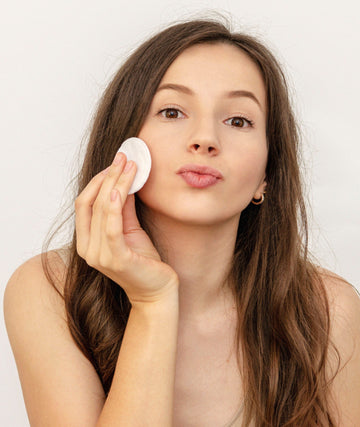

The Truth About Exfoliation
Exfoliation can be one of the most effective tools in skincare when used correctly. It helps remove dead skin cells, smooth texture, brighten dullness, and support healthy skin renewal.
But it is also one of the most overused and misunderstood steps in modern skincare.
If your skin suddenly feels:
- Sensitive
- Tight or irritated
- Shiny or overly smooth
- More prone to breakouts
There is a good chance your skin does not need more exfoliation. It may need a complete reset.
Key Takeaway
More exfoliation does not always create better skin. In many cases, it creates a damaged skin barrier.
What Happens When You Over-Exfoliate?
Exfoliation works by removing dead skin cells from the surface of the skin. But when exfoliation becomes too frequent or too aggressive, it can start stripping away the skin’s protective barrier.
Once the barrier becomes compromised, the skin struggles to function properly.
This can lead to:
- Increased water loss
- Inflammation and irritation
- Heightened sensitivity
- Redness and discomfort
- Breakouts and congestion
- Reduced skin resilience
At this stage, the skin is no longer improving. It is under stress.
What This Means for Your Skin
Healthy exfoliation should leave skin balanced and smooth, not reactive and inflamed.
1. Your Skin Feels Tight and Shiny
One of the earliest signs of over-exfoliation is skin that looks unusually shiny or overly smooth.
While this can sometimes be mistaken for “glass skin,” it is often a sign that the skin barrier has been stripped back too far.
Over-exfoliated skin may appear:
- Thin
- Tight
- Slightly reflective
- Unnaturally smooth
Key Takeaway
Shiny skin is not always healthy skin. Sometimes it is a sign your barrier is compromised.
2. Products Suddenly Sting or Burn
If products that once felt comfortable now sting when applied, this is a major warning sign.
When the skin barrier weakens, irritants can penetrate the skin more easily, making even gentle products feel uncomfortable.
This can happen with:
- Cleansers
- Moisturisers
- Serums
- Sunscreen
- Even water
What This Means for Your Skin
Stinging is often a sign that your skin barrier needs repair, not stronger treatments.
3. You Start Breaking Out More
Over-exfoliation can actually trigger breakouts.
When the skin barrier becomes compromised:
- Inflammation increases
- Skin becomes stressed
- Oil production can become unbalanced
- Healing slows down
This often creates congestion and irritation that many people mistakenly try to treat with even more exfoliation.
Unfortunately, this usually worsens the cycle.
4. Redness That Does Not Improve
Persistent redness is another common sign of over-exfoliation.
Inflamed skin often stays visibly flushed because the barrier is struggling to protect itself properly.
This redness can become more noticeable after cleansing, applying products, or exposure to heat and sunlight.
Key Takeaway
Constant redness is often a sign of inflammation and barrier disruption, not simply “sensitive skin.”
5. Your Skin Feels Dry and Oily at the Same Time
One of the most confusing symptoms of over-exfoliation is skin that feels both flaky and oily simultaneously.
This happens because:
- The skin loses water rapidly
- The barrier becomes dehydrated
- Oil production increases in response to stress
The result is skin that feels unbalanced, uncomfortable, and difficult to manage.
6. Your Skin Reacts to Everything
When your barrier is damaged, the skin becomes far more reactive than usual.
You may suddenly notice irritation from products you have used for years without issue.
This can include reactions to:
- Cleansers
- Moisturisers
- Active ingredients
- Fragrance
- Temperature changes
- Water exposure
What This Means for Your Skin
Reactive skin is often compromised skin.
7. Your Skin Just Feels “Off”
Sometimes the biggest sign is simply intuition.
If your skin suddenly feels:
- Uncomfortable
- Reactive
- Unpredictable
- Easily irritated
It may be time to stop treating and start repairing.
What Causes Over-Exfoliation?
Some of the most common causes include:
- Using exfoliating acids too frequently
- Combining multiple exfoliants together
- Daily exfoliation without recovery time
- Incorrectly layering retinol and exfoliants
- Following skincare trends instead of listening to your skin
- Using overly harsh scrubs or treatments
Modern skincare routines often prioritise fast results over long-term skin health, which can leave the barrier chronically stressed.
Key Takeaway
Consistency and balance create healthier skin than aggressive routines ever will.
How to Fix Over-Exfoliated Skin
Step 1: Stop Exfoliating Immediately
The first step is simple but essential.
Pause all forms of exfoliation, including:
- AHAs and BHAs
- Physical scrubs
- Enzyme treatments
- Harsh active ingredients
Your skin needs time and space to recover.
Step 2: Switch to a Gentle Cleanser
Use a cleanser that supports the skin barrier rather than stripping it.
Look for formulas that:
- Do not foam aggressively
- Support the skin’s natural oils
- Leave skin feeling soft and comfortable
A lipid-rich cleansing oil can help remove impurities while protecting compromised skin.
Step 3: Focus on Barrier Repair Ingredients
Barrier repair should become the priority of your routine.
Look for ingredients such as:
- Ceramides
- Ectoin
- Panthenol (Vitamin B5)
- Centipeda Cunninghamii
- Tasmanian Pepper Berry
These ingredients help calm inflammation, restore hydration, and support healthier skin function.
Key Takeaway
A calming, barrier-focused serum is often the most important step in repairing over-exfoliated skin.
Step 4: Hydrate and Rebuild Lipids
Skin repair requires both hydration and lipid support.
A simple layering approach works best:
- Hydrating serum
- Barrier-supportive moisturiser
- Facial oil to seal hydration into the skin
When water and lipids work together, the skin barrier can begin repairing itself more effectively.
Step 5: Protect Your Skin Daily
While your skin heals:
- Wear SPF daily
- Avoid excessive sun exposure
- Keep your routine simple
- Minimise unnecessary irritation
Skin recovery happens through consistency, not intensity.
How Long Does Recovery Take?
With the right approach, most people notice improvements relatively quickly.
Typical recovery timelines include:
- 3 to 5 days for reduced irritation
- 1 to 2 weeks for improved comfort and hydration
- 3 to 6 weeks for stronger barrier function
Patience matters. Trying to rush the process often delays recovery further.
What This Means for Your Skin
Gentle consistency heals the skin faster than aggressive correction ever will.
The Founder’s Formula Philosophy
At Founder’s Formula, we believe skincare should support the skin, not constantly stress it.
Our formulations focus on:
- Barrier repair first
- Long-term hydration and resilience
- Clinically proven actives
- Australian botanicals that calm and strengthen the skin
Because when the skin barrier is healthy, every other aspect of skincare works better too.
Founder Insight
“One of the biggest mistakes I see is people over-exfoliating in pursuit of results. When you restore the skin barrier first, everything changes: your glow, your hydration, your confidence.”
— Ann Donnarumma
When to Reintroduce Exfoliation
Once your skin feels:
- Calm
- Hydrated
- Comfortable
- No longer reactive
You can slowly begin reintroducing exfoliation.
The safest approach is:
- 1 to 2 times per week maximum
- Gentle formulations only
- Avoid combining multiple strong actives together
Exfoliation should support healthy skin, not compromise it.
Not Sure If You’ve Overdone It?
Take our Skin Quiz to receive a personalised routine designed to calm, repair, and rebalance your skin naturally.