






Beauty Wisdom
Beauty Wisdom

Top Australian Botanicals For Different Skin Concerns
Australian botanicals stand out not just for their origin, but for how well they work with our skin. Grown in some of the toughest conditions on the planet, these native plants carry incredibly resilient properties. When used in skincare, this translates into real support for a range of skin concerns from dry and flaky patches to redness or early signs of ageing.
Right at the start of spring, many people start to notice their skin shifting. The dryness from winter slowly fades, but it often leaves behind dehydration, dullness, or irritation. This makes it the perfect time to swap in products that are powered by high-performing botanicals. When chosen carefully, Australian ingredients can help balance, hydrate, calm, brighten, or firm your skin depending on what it needs.
Hydration Heroes: Native Australian Ingredients For Dry Skin
Coming out of the colder months, many are still seeing signs of dry or lacklustre skin. Even as spring begins, skin can stay dehydrated beneath the surface. That’s when hydration-focused botanicals shine. One standout example is Snowflower, known for its skin-soothing ability and moisture-retention support.
Another strong player is Quandong. This desert fruit is rich in natural acids and antioxidants, which help promote a more radiant, plump appearance. It supports hydration without leaving the skin oily. People with flaky skin often notice smoother texture within a few weeks of switching to products that include this ingredient.
Here are a few native botanicals ideal for dry, dehydrated skin:
- Snowflower: Helps lock moisture in and strengthens the skin barrier while calming redness- Quandong: Supports brighter, smoother texture and brings added hydration with a light finish- Desert Lime: Known to help improve water retention and soften rough patches
Using botanicals like these regularly helps smooth out dryness while avoiding greasy or sticky finishes. Since the skin is in a state of transition at the start of spring, choosing supportive ingredients like these can help it adapt without extra stress.
Brightening Botanicals: Natural Solutions For Dull Skin
After winter, dullness is one of the most common complaints. When old skin cells build up and moisture levels drop, your face can seem more tired than it feels. Ingredients that encourage gentle refreshment, support renewal, and bring back natural glow are a smart pick around this time of year.
One brightening ingredient to look for is Mountain Pepper Berry. It helps fight off dullness and works well in formulas designed to restore a healthy glow. It’s gentle enough for most skin types and works without causing irritation.
Also worth noting is Finger Lime. This fruit has natural exfoliating qualities that help clear away dead skin cells. When used in the right way, it helps promote smoother texture and brighter, more even tone.
Benefits of these natural brighteners include:
- Finger Lime: Helps remove buildup with natural exfoliating acids without over-drying- Mountain Pepper Berry: Supports skin tone balance and works well against dull or uneven patches- Lemon Aspen: Encourages renewal and protects against environmental stressors that can drain the skin
These ingredients work best when used consistently. With spring underway, it's a good time to start something that clears off what's left of winter and preps your skin for a fresher, more radiant look.
Soothing Botanicals: Calming Ingredients For Sensitive Skin
Spring can bring change, and for some, that means irritated or unsettled skin. Wind, pollen, or shifts in humidity might leave sensitive skin feeling more reactive than usual. That’s where calming botanicals can help ease discomfort and create a more balanced, consistent feel.
Aloe Vera is one of the most recognised natural soothers, and for good reason. It helps cool hot, flushed skin and supports healing by drawing in moisture. It’s light but effective, making it a reliable fallback for many.
Calendula is another gentle yet effective option. Traditionally used for calming rashes or redness, this flower carries natural compounds that help settle inflammation. It’s packed with antioxidants as well, providing support against environmental triggers that might make skin worse.
Also worth exploring are native ingredients like Kangaroo Paw Flower and Cucumber Extract. Both have softening and smoothing effects, providing comfort where there’s tightness or sensitivity.
Consider these botanicals if your skin tends to overreact or flare up:
- Aloe Vera: Calms and cools without leaving buildup behind, perfect for stressed or sun-exposed skin- Calendula: Eases irritation and helps restore skin comfort after flare-ups- Kangaroo Paw Flower: Promotes skin repair while gently boosting hydration- Cucumber Extract: Helps reduce puffiness and redness during periods of stress on the skin
Look for combinations of these in your products, especially if your skin gets twitchy as the seasons shift. Sometimes, pairing a calming botanical with a hydrating one brings better results than either alone. A good example is applying a serum with both Aloe Vera and Snowflower for post-sun calming and long-lasting moisture.
Anti-Aging Allies: Botanicals For Mature Skin
Fine lines and a lack of elasticity tend to creep up slowly, but that doesn’t mean you can’t support your skin in smart, gentle ways. Plant-based ingredients with antioxidant power and targeted action can do a lot to improve firmness and stimulate that ‘lifted’ look without being heavy.
Emu Apple is one of those ingredients people often overlook, but it’s packed with phyto-compounds that help support collagen and bring bounce back to ageing skin. It's mild, but don’t let that fool you. It gets results over time when used consistently.
Also worth pairing with Emu Apple is Riberry. This native fruit helps smooth texture and tighten the appearance of skin, especially around areas like the eyes and mouth. Together, they deliver a well-rounded boost without making skin feel weighed down or too active.
Some other anti-aging botanicals to know about:
- Emu Apple: Helps improve skin tone and elasticity, great for skin that’s starting to feel less firm- Riberry: Offers smoothing benefits and supports the skin barrier over time- Lilly Pilly: Loaded with antioxidants, which help fight surface dullness and early signs of ageing- Sea Parsley: Rich in minerals and vitamins that back up skin resilience and firmness
Layering products that contain these ingredients can add a more lifted, even-toned look to mature or fatigued skin. It's less about chasing perfection and more about supporting what your skin already does well.
Skincare That Keeps Up With The Seasons
Choosing the right skincare ingredients doesn’t need to feel overwhelming. Australian botanicals bring clarity to the process, giving you real tools to match your product choices with what your skin is telling you. From the soothing feel of Aloe Vera to the brightening power of Lemon Aspen, these native ingredients serve a purpose and work well through seasonal transitions.
As spring continues rolling in, it’s a great time to take another look at what your skin needs right now. Dry patches might need something like Snowflower, while signs of ageing could benefit from a consistent dose of Emu Apple. When you work with nature instead of layering on harsh solutions, your skin often responds with better tone, bounce and calm.
Tuning into these botanicals means paying closer attention to how your skin changes across the year. It's less about fixing everything at once and more about adding what feels right, backed by ingredients that have grown in some of the world’s toughest climates. That natural resilience can translate to care your skin feels every day.
For glowing, hydrated skin, consider the benefits of embracing Australian botanicals in your skincare routine. These indigenous ingredients, like Emu Apple and Snowflower, can significantly enhance your skin's natural resilience and appearance. Explore our collection of Australian botanicals to find the perfect blend for your skin’s unique needs. Trust Founder's Formula to bring you nature's best in clean and effective formulations.
How To Prevent Clay Masks From Over-Drying Your Skin
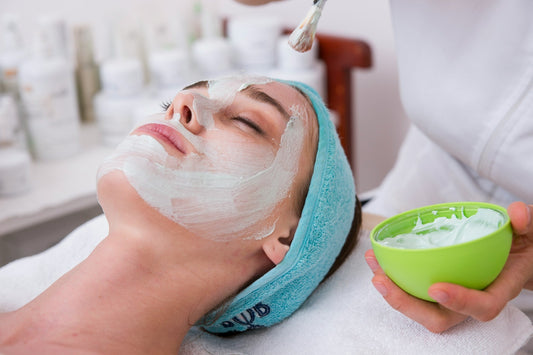
Clay masks have long been a go-to step for deep skin detox. They help draw out impurities, tighten pores and give the skin a cleaner, more refined look. When used properly, they can make your complexion feel fresh and smooth and give a visible glow without needing harsh scrubs or synthetic exfoliants.
But for many people, clay masks come with a trade-off—tightness, flaking or an overly dry feel after rinsing. These side effects can make skin feel stripped rather than soothed. The good news is that over-drying isn’t an unavoidable outcome. With a few smart steps, you can still enjoy the benefits while keeping your skin comfortable, soft and balanced.
Understanding How Clay Masks Work
Clay masks are all about detoxing the skin. Whether your face is feeling congested, oily or dull, clay helps soak up excess sebum while lifting out trapped dirt and dead skin cells. The result is cleaner pores and a smoother appearance.
There are different types of clay, and each one works a bit differently.
- Kaolin clay is one of the gentlest. It’s great for sensitive skin or those trying clay masks for the first time. It absorbs oils without drawing too much moisture from the skin.- Bentonite clay is stronger. It swells when wet and pulls impurities from deep within the pores. It suits oily or acne-prone skin but might be too drying for drier types.- Green clay, sometimes called French green clay, is super absorbent and often used for very oily skin types.- Pink clay, a mix of red and white clay, sits comfortably in the middle. It has mild exfoliating properties but still feels kind to the skin.
These clays all do the same basic job, but depending on your skin type, one might be a better fit than another. Over-drying usually happens when you either pick the wrong type of clay for your skin or leave the mask on for too long. A common mistake is waiting until it’s completely dry and cracking, which means it's likely pulling out water from your skin’s surface, not just oil.
Choosing the right product for your needs can make a cleaner face feel like a gentle refresh rather than a reset. The goal isn’t to dry your skin out, it’s to clear it just enough to let other products work better afterwards.
Preparation: Setting Your Skin Up For Success
Before you even reach for your mask, the prep makes a big difference. Clay on dry or unprepped skin can work too hard, leading to tightness or even surface irritation. With good prep, you help your mask do its best job without going overboard.
Start clean, but go gentle. Use a mild cleanser that removes grime and sunscreen without leaving your skin feeling squeaky or raw. A cleanser with plant-based surfactants or natural clays like kaolin can help maintain balance while still clearing out buildup.
After cleansing, layer on a light hydrating serum or essence. This may sound counterproductive—why add hydration before a deep-cleaning mask? But moisture helps protect your skin barrier and gives your skin something to hang on to while the mask does its work. If you’re using a product with native Australian ingredients like Snowflower or Desert Lime, you get the bonus of antioxidants and natural minerals that support hydration and skin health without clogging pores.
To prep your skin properly:
1. Wash with a gentle cleanser without strong acids or scrubbing grains2. Pat your skin dry, don’t rub3. Apply a few drops of hydrating serum or an essence layer4. Wait 1 to 2 minutes before applying your clay mask
Giving your skin this kind of prep creates a buffer that helps prevent the mask from pulling too much moisture from the skin’s upper layers. It’s not about skipping steps, it’s about adjusting small details that protect the skin’s balance.
Application Techniques: Optimising Benefits While Minimising Dryness
Once your skin is prepped, how you apply your clay mask is just as important as what’s in it. A common mistake is wearing the mask for too long, thinking longer means better results. That usually backfires. If it stays on well past the drying phase, it may start pulling moisture from the surface of your skin, which leads to tightness or redness.
Most masks should come off when they reach the damp-dry stage. That’s when the colour has lightened but the surface hasn’t started cracking. You’ll often notice a cooler sensation across your skin. This is usually the right time to rinse.
A few tips to apply your clay mask for ideal results:
- Apply a thin, even layer. Thick applications take longer to dry and may end up pulling too aggressively on your skin- Avoid the eye area, corners of the nose and around the mouth. These spots tend to be more delicate and dry out faster- Stick to the wait time written on the product instructions. This timing has usually been tested for both results and skin comfort- If parts of the mask dry faster than others, use a face mist to rehydrate those areas while the rest finishes working
It also helps to listen to what your skin is telling you during the process. If you're feeling a lot of tightness or tingling after only a few minutes, it could mean the clay is too strong for your skin type or that the mask has been left on too long. Using soft cloths or a damp sponge to gently lift the mask instead of scrubbing it off can also help keep your skin calm and smooth.
Post-Mask Care: Restore Moisture and Calmness
Once the mask is off, your skin’s more open to taking in nutrients and hydration, kind of like a sponge. This is the right moment to layer in the good stuff. The goal here is to soothe any dryness and bring things back into balance.
You’ll want to start with a hydrating toner or mist. This helps reintroduce moisture and cool any lingering warmth, particularly if your skin runs dry or sensitive. Choose something alcohol-free and infused with calming botanicals. Ingredients like Emu Apple or Finger Lime Caviar found in Australian formulations can help refresh the skin and add a wave of antioxidants without clogging pores.
Follow this step with a nourishing moisturiser. Look for creams made with lightweight botanical oils or native extracts like Snowflower or Illawarra Plum. These work to maintain hydration without choking the skin. Applying while your skin is still slightly damp helps trap more water in the outer layers. During this early spring period in Australia, when weather flips between crisp air and rising warmth, this step supports skin staying resilient and soft.
Your skin’s condition after masking is a direct reflection of what you do immediately afterwards, so don’t skip this part. Think of it as sealing in the benefits, not just winding things down.
When and How Often to Use Clay Masks
How often you use clay masks depends on your skin type and how your skin behaves through the seasons. Overuse is a common reason some people feel frustrated. They start with good skin, expect even better, but end up with flaking or irritation.
If your skin is oily or acne-prone, using a clay mask around twice a week can help keep pore buildup under control. For those with dry or combination skin, once every 7 to 10 days is usually enough. Right now, moving into spring, it’s best to reduce to once weekly use if you're noticing dry patches from cooler days lingering.
Here are signs that you're masking too often:
- Skin feels tight even after moisturising- Flaking or redness around the nose and cheeks- Increased sensitivity to products that didn’t bother you before- Overall dullness even after cleansing
To prevent this, always balance out your mask routine with hydration-focused treatments. Hydration masks, botanical serums or gel creams with low pH can help keep things steady across the week. If you’re unsure, space your clay mask days away from other active-ingredient days, such as retinol or AHA use, to give your skin a break while still getting everything it needs.
How to Keep Your Skin Happy While Masking
Clay masks can bring real benefits, but their impact depends completely on how gently they’re introduced and what follows after. Thoughtful steps before, during and after application make the difference between smooth, refreshed skin and one that’s irritated or tight. Learning to tune into your skin’s real-time feedback is key. It’ll tell you when it’s had enough or what it’s craving more of.
Using products with native Australian botanicals can also give that extra support, especially when paired with a clay mask routine. They’re naturally rich in compounds that nourish without piling on heaviness. Whether you're dealing with dryness from winter ending or slight congestion slowly easing into spring, adding hydration-focused blends makes mask nights work harder for you. The right rhythm, the right mix and the right finishing touch all come together when you listen to your skin.
For those looking to enhance their skincare routine with effective and gentle options, adding a clay cleanser can make all the difference. These cleansers offer a balance between thorough cleaning and maintaining hydration, making them a great choice for sensitive or breakout-prone skin. Founder's Formula uses native Australian botanicals to help support healthy, balanced skin through thoughtful, natural formulations.

Preventing Dry Skin Damage During The Last Weeks Of Winter
As winter winds down, your skin might feel like it's had enough. Dry patches, tightness, or that itchy, flaky feeling are all signs your skin is struggling to stay balanced in the cold. While it may seem like spring is just around the corner, the final weeks of winter can be especially harsh. Drier air, indoor heating and chilly winds leave your skin more vulnerable than usual. That’s when dryness can turn into something more serious: discomfort, dullness and even tiny cracks or redness if not managed properly.
So, what’s the best way to stop that downhill slide? Now’s the time to act. Looking after your skin in the last stretch of winter can help prevent lingering damage and get your skin ready to glow once the weather warms up. The key is staying consistent, making a few smart swaps in your routine and choosing products that hydrate and protect your skin barrier.
Why Hydration Still Matters Late in the Season
Just because the calendar says winter is nearly over doesn’t mean your skincare can take a break. In fact, skin tends to be at its driest right before the seasonal change. During this awkward transition, the mix of cold snaps one day and a hint of warmth the next can throw your skin’s balance off even more. That makes hydration a top priority.
When your skin lacks moisture, it becomes harder for it to protect itself. You might notice it feels rougher, more sensitive than usual or that fine lines look more noticeable. This isn’t just surface-level dryness. This is your skin barrier crying out for support. A good moisturiser helps trap that much-needed hydration, avoid moisture loss and reduce the chance of irritation.
One product that works especially well during this time is a deeply hydrating moisturiser with a lightweight texture. Look for a formulation that includes ingredients like Wild Rosella, known for its natural antioxidant benefits and ability to draw moisture into the skin. Wild Rosella Hydrating Moisturiser is an option that ticks those boxes. It's packed with aloe vera, hyaluronic acid and native Australian botanicals that help your skin feel calm, dewy and supported without feeling greasy or heavy.
Using it in the morning and again at night helps keep skin consistently hydrated throughout the day, especially if you're still using heating indoors or enjoying the last of those snug winter layers. The key is locking in moisture before it escapes.
Winter Routine Tweaks That Make A Difference
If you’re already using a moisturiser but your skin still feels dry, it might be time to adjust a few other steps in your routine. Dryness often isn’t about doing more. It’s about making smarter choices with what you already use.
1. Switch to a gentle cleanser. Foam or gel cleansers that leave your skin feeling squeaky clean might be stripping away natural oils. If your face feels tight after washing, that’s a red flag. Opt for a cream or balm cleanser instead that supports your moisture barrier.
2. Introduce a richer moisturiser. For those noticing signs of maturing skin, adding a formula that nourishes while improving elasticity can really help. A good match for this is a product enriched with antioxidants like native Snake Vine. It absorbs easily, improves hydration and delivers long-lasting comfort to skin that feels weathered or stressed.
3. Don’t skip toners or mists. Hydrating mists aren’t just for summer. A spritz before applying your moisturiser helps prep the skin and adds another layer of hydration.
4. Layer up. Think of your routine as skincare layering rather than relying on a single heavy product. After cleansing, apply a light serum or mist first, follow up with a moisturiser, then seal everything in if needed.
Keeping it simple often works best. A cleanser, a hydrating antioxidant-rich moisturiser and a barrier-supporting balm will get you through the final weeks without fuss. When the routine pairs well with the right product textures, your skin stays better balanced and more comfortable, no matter how unpredictable the weather becomes.
Why Nightly Barrier Care Works Wonders
Even if your morning routine is holding your skin together during the day, an overnight routine can be just as impactful. That’s where a barrier balm becomes a winter essential, especially near the end of the season when dry skin tends to feel tight and easily irritated. Most of the moisture your skin loses happens while you sleep, so giving it an extra dose of protection helps you wake up with smoother, healthier-looking skin.
A balm like the Botanical Barrier Balm (SLUG) works by sealing everything in. It contains natural oils and waxes that form a breathable layer over your skin. This layer stops moisture from evaporating into the dry air overnight. Think of it like slipping on a windbreaker before stepping out into the cold, only better suited for your face and much more comfortable.
Use it at night as the final step in your routine, layered over your moisturiser. Apply a thin amount to areas that tend to get extra dry, such as the cheeks, corners of the mouth or bridge of your nose. If you frequently wake up with parched or itchy patches, this one step can make a real difference. What makes this balm a standout is how gentle it is. There’s no sting, no stickiness, just soft, calm skin by morning.
Ways To Reduce Environmental Dry Skin Triggers
The cold might be fading, but your skin is still battling drying influences daily. Indoor heating, changing humidity levels and windy commutes all contribute to skin stress—even if the air doesn’t feel freezing anymore.
Here are some daily actions that help give your skin a break:
1. Run a humidifier, especially where heating runs overnight. Bedrooms are a good place to start.2. Wear a lightweight scarf to shield your neck and lower face when outside on breezy days.3. Use lukewarm water when washing your face. Hot water strips the skin’s natural oils fast.4. Apply moisturiser while your skin is still slightly damp after cleansing to trap in extra water.5. Incorporate antioxidant-rich products, particularly those featuring native Australian botanicals like Snake Vine. They provide a layer of defence against free radicals and other environmental stressors.
These changes might seem small, but they help stop your skin from drying out between cleansing and moisturising. Something as simple as switching to warm water instead of hot can make a noticeable difference in your skin’s comfort by afternoon.
Helping Your Skin Reach the Finish Line Strong
By now, your skin could be feeling pretty worn out from the season. But recovery is definitely possible. What it needs is consistent care, well-formulated hydration and smart layering choices that don’t overwhelm but support instead.
Start your morning with a boost from the Wild Rosella Hydrating Moisturiser. It gives your skin hydration and antioxidant protection without a heavy feel. At night, bring in the Snake Vine Super Anti-Oxidant Pro-Aging Moisturiser to support elasticity and target signs of ageing. To finish, apply a layer of Botanical Barrier Balm before bed to lock in all that goodness.
Just like your wardrobe shifts from puffer jackets to lighter layers, your skincare should adapt too. Giving your skin this extra bit of care now sets it up for success as the seasons change. Winter’s effects don’t have to linger long into spring if you build a protective, nourishing routine today.
Healthy, hydrated skin isn’t hard to achieve. It just takes attention to what your skin is asking for and choosing products that help meet those needs. A few considered changes now can mean a brighter, dewier complexion a few weeks from now. And that kind of glow feels good in any season.
Give your skin the care it deserves with the Wild Rosella Hydrating Moisturiser from Founder's Formula. If you're dealing with dry skin in these last weeks of winter, this lightweight yet deeply hydrating formula offers relief by strengthening the skin barrier and boosting moisture retention. Featuring antioxidant-rich Wild Rosella and native emollients, it leaves your skin soft, smooth and dewy. Learn how this moisturiser can support your skin's hydration needs by exploring solutions for dry skin today.

What To Do When Your Skin Feels Tight And Uncomfortable After Washing
You’ve just stepped out of the shower or finished washing your face, and instead of feeling refreshed, your skin feels tight, dry, and maybe even a bit irritated. It’s an uncomfortable sensation that many people brush off, but that stiffness or pulling feeling can be your skin’s way of telling you something’s off. Dryness right after washing is more than just a fleeting annoyance. Over time, it can lead to flakiness, rough patches, and greater sensitivity.
When your skin feels this way, it's best not to ignore it. That tight sensation usually means the skin barrier isn’t happy. Understanding what causes it and knowing how to respond can make all the difference. Here's what’s likely behind the issue and what you can do about it.
Understanding Why Skin Feels Tight After Washing
Dry, tight skin after cleansing can come from a few common missteps—some that might not be immediately obvious. The products you use, the temperature of your water, and even how you dry your face play a big role.
One of the most common causes is using harsh cleansers. Many face washes strip away not just dirt and oil, but also the natural lipids that keep your skin soft and protected. If your skin feels squeaky-clean after washing, that's often a sign that your barrier has been compromised.
The pH level of your cleanser is another factor. Your skin naturally has a slightly acidic pH, which helps it defend against irritants and retain moisture. Some cleansers have a more alkaline pH, which can throw your skin off balance and leave it feeling dry, tight, or irritated.
Water temperature matters too. Hot water might feel relaxing, especially in colder months, but it can remove your skin’s natural oils far too quickly. That can lead to faster moisture loss and irritation. Switching to lukewarm water is a small change that offers much gentler results for your skin.
If your skin consistently feels dry or uncomfortable after washing, your routine might need a few minor adjustments.
Immediate Steps To Relieve Tight Skin
That tight, papery feeling after washing doesn’t have to linger. A few quick steps can help bring relief and set your skin on a better path.
Here’s what can help right away:
1. Pat, don’t rub: Use a soft, clean towel to gently pat your face dry. Rubbing can cause friction and exacerbate dryness.2. Apply moisturiser straight away: Moisture leaves the skin rapidly after cleansing. Applying moisturiser while your skin is still slightly damp helps trap hydration where it’s needed most.3. Choose a moisturiser that balances hydration and comfort: Lightweight gels can evaporate too quickly, while heavy creams may feel greasy.
Our Wild Rosella Hydrating Moisturiser offers a light but rich formula that supports dry skin without weighing it down. It contains Wild Rosella, known for its antioxidant benefits that offer calm and support for compromised skin. This moisturiser also includes aloe vera, cucumber seed oil, oats, shea butter, and ceramides, all working together to soothe, nourish, and support your skin barrier.
With the right hydration applied immediately, your skin can go from tight and uncomfortable to soft and balanced within minutes.
Long-Term Solutions For Preventing Tight Skin
If you’re frequently dealing with tightness after cleansing, quick fixes only go so far. A more sustainable approach starts with reviewing your overall routine and making room for products that support your skin long-term.
Start by switching to a more hydrating and gentle cleanser. Steer clear of formulations with harsh surfactants or ingredients that leave your face feeling dry straight after use. Look for calming and moisturising ingredients like oat extract, glycerin, or aloe vera.
Next comes your moisturiser. This should be something you depend on to provide both comfort and support throughout the day. The Snake Vine Super Anti-Oxidant Pro-Aging Moisturiser works well for dry skin or areas that need a more intensive approach. With native Snake Vine, it provides antioxidant protection and helps improve elasticity over time, creating a more stable barrier against environmental stressors.
At night, layering an occlusive product over your existing routine can help keep moisture sealed in. Products like the Botanical Barrier Balm create a protective layer that prevents overnight water loss. With nourishing oils like macadamia and cucumber seed, this balm supports your skin’s natural recovery processes while keeping dry spots soft and calm.
Your skin might still be adjusting to past dryness, especially coming out of winter. By focusing on long-lasting hydration instead of short-lived comfort, you help build resilience and improve how your skin reacts post-cleansing.
Daily Skincare Routine Adjustments
Keeping your skin balanced doesn’t have to mean overhauling your routine. It just means making consistent choices that support hydration, especially during the steps when it’s most important.
Here’s a simple skincare routine that supports dry-prone or tight-feeling skin:
- Cleanse twice a day with a gentle, low-foaming cleanser that doesn't leave your skin squeaky or tight.- Apply a hydrating moisturiser immediately after washing, while your skin is still slightly damp. Our Wild Rosella Hydrating Moisturiser is a great fit here, with aloe vera, hyaluronic acid, and Wild Rosella helping combat dry, reactive skin.- At night, layer richer formulas where needed. Use something like the Snake Vine Moisturiser on drier areas or mature skin, and add Botanical Barrier Balm as a final layer for overnight repair and softness.- Keep your nightly routine consistent. Night-time is when the skin goes through major recovery modes, so steady application pays off.
Hydration doesn’t just happen topically. Internal hydration plays a key role too. Drinking enough water and eating skin-friendly foods rich in omega-3s and antioxidants support your skin’s strength from the inside out. This is especially helpful during transitional months, like September, when indoor heating from winter can still impact skin even as the weather outdoors starts to warm.
Consistency matters. Even the best products bring limited benefit when used sporadically or in the wrong order. Stick with a routine that supports your skin barrier, balances hydration, and complements your lifestyle.
Say Goodbye to That Post-Wash Tightness
Washing your face shouldn’t leave you with uncomfortable tightness or sensitivity. That dry, stretched feeling after cleansing is a sign your skin needs a more supportive routine. Rather than constantly trying to fix dryness, the better approach is to prevent it from happening in the first place.
Using gentle cleansers, applying moisturiser while your skin is still damp, and choosing formulas that offer comfort along with long-term hydration can transform how your skin feels daily. Adjusting your routine with the seasons also helps maintain consistent results year-round.
Products like our Wild Rosella Hydrating Moisturiser, Snake Vine Super Anti-Oxidant Pro-Aging Moisturiser, and Botanical Barrier Balm are designed to support hydration and resilience. When used regularly, they help your skin feel more settled, soft, and less prone to that uncomfortable post-wash tightness.
Give your skin the daily support it needs so it can face each day calm, balanced, and comfortably hydrated.
To nurture your skin and break the cycle of dryness, explore the benefits of a quality moisturiser. At Founder's Formula, our Wild Rosella Hydrating Moisturiser offers deep hydration with a light finish, keeping your skin soft and dewy. Whether your skin is naturally dry or simply needs a boost, embrace a formula that supports a healthy moisture barrier. Discover how it can leave your skin revived and nourished.

Solving Scaly Patches With Plant-Based Skincare Solutions For Your Skin
Dry, scaly patches can sneak up on you, especially when the weather cools down and the heater’s running constantly. Your face starts to feel tight, flaky, and uncomfortable. These patches can turn up anywhere, with the cheeks, forehead, and around the mouth being the usual trouble spots. Even if you're drinking enough water, the dryness can persist without the right topical care.
That’s where plant-based skincare finds its place. Natural moisturisers, especially those made with Australian native botanicals, offer a gentle way to restore hydration without clogging pores. If you've tried everything and still see those stubborn rough spots, it might be time to shift to skincare that works with, not against, your skin.
Understanding Dry Skin and Scaly Patches
Dry skin can show up in different ways. Sometimes it just feels tight and uncomfortable, other times it flakes or becomes itchy. When rough, scaly patches develop, it's often a sign that your skin's protective barrier needs more support.
Several common factors contribute to this dryness:
1. Cold air reducing natural skin moisture2. Indoor heating pulling moisture out overnight3. Harsh cleansers damaging the skin barrier4. Natural ageing decreasing oil production5. Skipping moisturiser or using the wrong one
These dry areas usually appear where skin is thinner or more exposed to environmental stress, like the face. Many people respond by scrubbing or over-exfoliating, but that can make it worse. What skin really needs is hydration and a strong barrier to trap that moisture in.
Think of your skin barrier like a wall's outer surface. When cracks appear, water escapes. The same happens when your skin barrier is compromised. Moisture leaks out, and the dryness intensifies. Moisturisers that hydrate and repair the skin barrier are key to stopping this cycle.
Plant-Based Moisturisers: The Natural Solution
A growing number of people are turning to gentle, plant-powered skincare to deal with dryness, irritation, and sensitive skin. These moisturisers rely on botanicals and natural oils that hydrate effectively without burdening the skin.
Plant-based skincare tends to feature ingredients like:
- Aloe vera for calming inflammation- Wild Rosella, an antioxidant-rich Australian native known for enhancing moisture retention- Emollients such as macadamia oil and shea butter that seal in hydration
Real relief from dry, flaky patches comes not just from adding water to the skin but improving your skin’s ability to hold that hydration. The botanicals found in Australian ecosystems are built to survive extreme elements, and that resilience translates beautifully to skincare.
Product Spotlight: Wild Rosella Hydrating Moisturiser
When your skin feels tight, dry, and irritated through the colder seasons, a moisturiser that hydrates without feeling heavy can make all the difference. The Wild Rosella Hydrating Moisturiser is made to bring your skin back to balance with a dose of hydration that lasts.
The hero ingredient, Wild Rosella (Hibiscus sabdariffa), is packed with antioxidants and helps the skin absorb and keep hold of moisture. Alongside other native botanicals like Kangaroo Paw and Tasmanian Mountain Pepper Berry, this moisturiser supports barrier repair and refreshes dry, fatigued skin.
The texture is lightweight, so it hydrates deeply without the greasy finish. It’s a useful option when your skin needs moisture but still reacts to heavy creams, especially during the transition between seasons.
Usage directions:
- Apply morning and night after cleansing and serum application- Use a small amount and gently press into the face and neck- Allow it to absorb before applying SPF or makeup
It’s ideal for daily use, especially if your skin is prone to dryness but doesn’t tolerate thick creams during the day.
Product Spotlight: Snake Vine Super Anti-Oxidant Pro-Aging Moisturiser
If your dry skin is accompanied by signs of ageing or dullness, the Snake Vine Super Anti-Oxidant Pro-Aging Moisturiser offers more comprehensive care. This formula is designed to deeply hydrate while also improving texture, firmness, and skin comfort.
The key ingredient, Snake Vine extract, is a powerful antioxidant sourced from an Australian climbing plant. It helps protect skin against environmental stress and dehydration. Combined with oat kernel, peptides, and swamp pennywort, this formula helps strengthen skin structure, reduce tightness, and soften dry lines.
It has a richer feel, making it perfect for overnight use or cold mornings when your skin needs extra protection.
How to apply:
- Use after your usual serum, morning or evening- Gently massage a small amount into the face and neck- Focus on the driest areas for maximum nourishment
It’s especially helpful if your skin stays dry past winter, or if fine lines and texture changes add to your skincare concerns. This cream helps restore softness and encourages smoother skin long-term.
Product Spotlight: Botanical Barrier Balm (SLUG)
Some dry areas need more than hydration; they need a replenishing shield. That’s where the Botanical Barrier Balm comes in. Created to sit over your existing products, this balm acts like a breathable cover that locks moisture in and supports overnight skin recovery.
It’s made with macadamia seed oil, cucumber seed oil, and Kakadu Plum oil, offering a concentrated boost for flaky or overly reactive skin. The balm is easy to spread and forms a protective layer that imitates—but improves upon—your natural skin oils.
This balm is especially useful for dry patches that keep coming back or become irritated by wind or heaters.
How to use it effectively:
- Apply as the final step in your night routine- Use a thin layer all over or spot-treat rough areas- Leave it on overnight and rinse lightly in the morning if needed
You may wake up to calmer, softer skin, especially around sensitive areas like the nose, eyebrows, and chin. It works well during periods when the skin feels weather-worn and moisture just won’t stick.
Your Skin, Supported by Nature
Dry, scaly patches can feel discouraging, but the right care routine can turn things around. Using moisturisers crafted from plants that have evolved to survive heat and dryness can give your skin the hydration and barrier support it’s missing.
Plant-based moisturisers are more than just a trend. They work with the skin’s natural processes to restore moisture, boost resilience, and maintain balance over time. Whether your skin needs a daily hydrator like the Wild Rosella Hydrating Moisturiser, a rich antioxidant formula like the Snake Vine Super Anti-Oxidant Pro-Aging Moisturiser, or intensive support from the Botanical Barrier Balm, the right product can make all the difference.
If your usual moisturiser just isn't cutting it, or dryness keeps coming back faster than you can treat it, switching to native botanical skincare may be the reset your skin is asking for. Australia’s own powerhouse plants are ready to help your skin stay healthy, calm, and hydrated all year round.
To rejuvenate dry skin, consider the benefits of a plant-based moisturiser enriched with native botanicals from Founder's Formula. With the power of Wild Rosella, our lightweight solution offers deep hydration and barrier support, leaving your skin soft and glowing. Discover this natural approach to keeping your skin comfortable regardless of the season.

Why Winter Weather Makes Your Dry Skin Flake And What To Do About It
Dry skin often becomes harder to manage in winter, and there’s a good reason for it. As temperatures drop, the humidity in the air drops too, which means skin naturally starts to lose more water. That’s especially tough on anyone already dealing with dryness. Cold winds outside and heating inside both contribute to pulling moisture from the skin, leading to dullness, tightness, and flakiness that regular skincare might not fix.
Getting to the root of why winter causes dry skin is the first step. From there, it’s about creating smarter habits and choosing products that help your skin recover and stay comfortable. With the right knowledge and routine, it’s completely possible to prevent winter dryness before it becomes a bigger issue.
How Winter Weather Causes Dry Skin
As winter rolls in, your skin reacts to more than just the cold. Low humidity in cold air means there’s less moisture available in the environment. Combine that with indoor heating and chilly winds, and it’s no wonder your skin feels stripped and sensitive.
Here are some common ways winter messes with hydration:
1. Cold, dry air causes moisture evaporation. Your skin evaporates water more quickly in low humidity. This weakens the outer layers, leaving them dry and prone to flaking.
2. Indoor heating affects the skin too. Gas heaters, electric panels, and reverse cycle AC systems dry out indoor air. While warming the space, they create a dry environment your skin has to adjust to.
3. Long, hot showers break the skin barrier faster. Even though they feel amazing after being outdoors, hot showers can remove essential oils that hold in your skin’s moisture.
4. Harsh winds increase exposure damage. Winds physically strip moisture from the skin and can aggravate sensitivity. Areas like cheeks, lips, and the bridge of the nose suffer most.
5. Compromised moisture barrier. Over time, repeated exposure to cold air and heating affects the skin’s outer layer. This lowers its ability to retain water and protect against irritants.
Think about your lips—how quickly they get dry and cracked in winter. That same process is happening to your face, even if it shows up more subtly. The earlier you address that dryness, the easier it is to avoid irritation down the track.
Identifying and Treating Flaky Skin in Winter
Flaky skin doesn't always make a dramatic entrance. It can start with something small like uneven makeup, rough patches, or areas that just feel off. Noticing those signs early is key.
Look out for:
- Patches of rough or dull texture before they become visible flakes- Makeup looking uneven or catching on dry spots- Skin that feels tight or uncomfortable after cleansing- Redness or irritation, especially after wind exposure- Moisturiser that sits on top of the skin instead of absorbing
If you’re seeing or feeling any of this, your skin is telling you it’s time to level up your routine. Winter skin needs more than just a quick swipe of moisturiser. It needs products that support and protect the skin barrier from harsher conditions.
Ways to help control flaky skin:
- Swap in a richer moisturiser with ingredients like ceramides, macadamia oil, and shea butter- Use a gentle hydrating cleanser that doesn’t contain harsh surfactants- Apply moisturiser over a hydration serum while the skin is still damp- Stick with lukewarm water for cleansing and showers- Tap on a nourishing balm before bed on any flaky or irritated spots
Changing your winter habits as soon as skin feels tight can help maintain balance and stop patches from forming. Your skin heals better when it's supported in small, thoughtful ways.
Recommended Products for Battling Winter Dry Skin
If your skin dries out as soon as the weather turns, you’re not imagining it. Making simple tweaks in your product choices can help you stay comfortable through dry spells. Three standout products tackle winter dryness from different angles with calming and nourishing ingredients.
Wild Rosella Hydrating Moisturiser is a top choice for keeping skin hydrated without weighing it down. It’s light, fast-absorbing, but still leaves the skin with a soft, lasting glow. This face moisturiser includes hydrating botanicals like Wild Rosella, Aloe Vera, and Irish Moss Extract to replenish dehydrated skin. Ingredients like Macadamia Oil and Shea Butter add gentle richness, smoothing over rough patches without feeling greasy. It’s perfect for daily use when you want skin to stay soft and plump through fluctuating temperatures.
For those needing an extra layer of support, the Snake Vine Super Anti-Oxidant Pro-Aging Moisturiser is a richer option. This moisturiser includes potent native Australian Snake Vine Extract, which offers antioxidant benefits that help reinforce the skin’s natural defence. It also features Tasmanian Pepper Berry, known to reduce signs of irritation, paired with Aloe Vera and sunflower seed lipids for deep hydration. It feels luxurious at night, especially for mature or reactive skin that needs soothing care.
On days when certain areas start to flake, crack, or sting, the Botanical Barrier Balm (SLUG) steps in to calm things down. Ideal for sealing in moisture, this balm is great for dry spots like around the nose or chin. It’s packed with Macadamia Seed Oil, Cucumber Seed Oil, and Kakadu Plum Oil, which work together to restore comfort and protect the area. This is a skin rescue product for winter’s worst moments. A little goes a long way in supporting the skin overnight or preventing further irritation during the day.
Using the right product for your skin’s needs can be the difference between a rough season and one where your skin stays consistently happy.
Lifestyle Habits That Support Hydrated Skin in Winter
Products play a big role, but lifestyle habits matter too. While winter can make good skin harder to maintain, a few changes in daily routines can slow down water loss and protect that all-important barrier.
Try these tips alongside your skincare:
- Drink plenty of water. Colder weather tends to shift our focus to tea, coffee, or hot chocolate. Keep a bottle or glass of water handy throughout the day as a visual reminder.
- Add moisture to indoor air. Since indoor heating creates dry air, using a humidifier in your bedroom, living room, or wherever you spend most time can support your skin.
- Layer up outdoors. Face coverings and scarves create a physical barrier from the cold wind. Your skin will thank you for shielding it from exposure.
- Reduce shower time and heat. Shorter, warm showers help maintain the skin’s natural oils better than long, hot ones.
- Gently pat skin dry. Instead of harsh towel drying, dab your skin and moisturise straight away while it’s still lightly damp to trap in hydration.
Your daily routine carries a lot of weight during colder months. Combined with effective skincare, these simple lifestyle changes can steady your skin through winter.
Keep Your Skin Hydrated All Winter Long
Winter doesn’t have to mean giving in to tight, flaky skin. By recognising how environmental changes affect hydration and then matching your skincare and habits to suit the season, you set a stronger foundation for comfort and resilience.
Whether it’s switching to a richer moisturiser, protecting skin from the wind, or running a humidifier overnight, these small shifts compound over time. With reliable ingredients like Wild Rosella, Snake Vine, or Kakadu Plum Oil in your corner, and the right products on rotation, your skin can stay smooth and calm all season.
Discover a nurturing approach to managing those skincare challenges this winter. At Founder's Formula, our Wild Rosella Hydrating Moisturiser is packed with native botanicals to provide the deep hydration your skin needs. This lightweight, yet deeply moisturising formula helps keep your skin plump and dewy, giving you relief from tightness and flakiness. Experience the benefits of scientifically blended nature and explore our solution for dry skin to see why this moisturiser is a perfect fit for your skincare routine.

Common Questions About L-Ascorbic Acid Serum Stability And Storage
L-ascorbic acid, the most active form of vitamin C, is a popular ingredient in skincare for good reason. It’s known for boosting skin brightness, helping even out tone, and supporting collagen for firmer-looking skin. But as effective as it is, it’s also pretty unstable. If it’s not stored the right way, it can lose its punch fast. That means the benefits you’re after might not reach your skin at all.
Skincare lovers often ask how to know if their vitamin C serum has gone off, or how to keep it fresh longer. These are important questions. Understanding how L-ascorbic acid behaves outside the bottle will help you get the most out of it. Whether you're new to serums or experienced with actives, knowing how to treat this ingredient right can make all the difference.
What Is L-Ascorbic Acid Serum?
L-ascorbic acid is a pure form of vitamin C that easily soaks into skin and starts working quickly. It targets early signs of ageing by helping the surface look smoother and more even, with a natural glow that shows up over time. On top of that, it supports your skin’s barrier and helps calm things down when you’re dealing with dryness or dullness.
One reason this ingredient stands out is how fast it works when it’s fresh. But that’s also why it needs to be looked after carefully. L-ascorbic acid isn’t as stable as other forms of vitamin C. The minute it's exposed to air, heat, or light, it can start to oxidise. That’s when it changes colour, loses its power, and might even start to irritate your skin.
In formulas that focus on natural support, L-ascorbic acid teams up well with native botanical ingredients. When blended with extracts like emu apple or mountain pepper, it can offer extra antioxidant protection and help shield the skin from daily stress. This combination makes it a strong choice for those looking for results without feeling like they’ve stripped their skin raw.
What Affects The Stability Of L-Ascorbic Acid?
To keep your serum working at its best, it helps to know what causes it to break down. Most of the time, it's not just one thing. A mix of exposure to the elements and storage habits make the biggest difference. And unlike some skincare that stays shelf-stable for years, L-ascorbic acid needs a bit more attention.
Here are the main factors that affect how long your serum lasts:
- Light: Direct sunlight or strong indoor light can cause oxidation. That’s why most vitamin C products come in dark or opaque bottles- Air: Every time you open the bottle, air gets in. Oxygen causes vitamin C to degrade, especially if the packaging isn’t airtight- Heat: Leaving the serum in a bathroom that's warm and steamy, or near a window, shortens its life. High temperatures speed up chemical breakdown- Water contamination: Dipping fingers or letting water into the dropper can change the product’s structure and lead to early spoilage
If you’ve ever noticed your serum turning from clear or pale yellow to orange or brown, that’s a sign it’s already oxidised. It might still be safe to use, but it probably won’t give you the results you expected. Storing it properly from the start helps prevent this and makes sure each drop counts.
Proper Storage Techniques For Maximising Longevity
Once you’ve opened a fresh bottle of L-ascorbic acid serum, the clock starts ticking. But there’s good news: the way you store it really matters. Keeping it in low-light, cool conditions can help it stay active for longer, so every drop does more of what your skin needs.
Here are a few tips to keep your serum working at its best:
- Store it in the fridge. Not the freezer. The regular fridge door is fine and helps slow oxidation- Keep the cap tightly closed. Air sneaks in fast if the lid’s loose, and oxygen breaks down vitamin C quickly- Use the dropper responsibly. Don’t touch it to your fingers or face. That can introduce oil and bacteria- Avoid the bathroom shelf. Steam and warmth from showers can change the formula faster than you’d think- Stick with dark, amber, or opaque packaging. If your bottle is clear, wrap it in foil or keep it inside a cupboard
Think of it like keeping lemons fresh. Leave them out in the sun or next to the oven, and they’ll spoil early. But store them in the right conditions, and they’ll hold their punch much longer.
Signs Of Serum Degradation
Even when you’ve done all the right things, it helps to know how to spot when a product’s gone past its prime. L-ascorbic acid is pretty straightforward when it starts to break down. It tells you by how it looks, smells, and feels on your skin.
Here’s what to watch out for:
- Colour change: It usually starts clear, pale, or light yellow. If it turns orange, brown, or murky, it’s a red flag- Weird smell: A sharp scent or oily, metallic smell means the formula might be off- Texture shifts: If it becomes sticky, watery, or thickens too much, it may not apply evenly or absorb well
One example is when a serum that used to glide on easily starts to feel tacky or tight after application. That’s a hint the formula’s changed and may not offer the same results as before.
When you see these changes, it’s safer to stop using the product. Even if irritation doesn’t happen right away, degraded ingredients probably won’t do much good, and they might actually cause flare-ups in sensitive skin.
Maintaining Effective Skincare With L-Ascorbic Acid
L-ascorbic acid can be a standout ingredient in your routine if used with care. To keep it working without messing with your skin’s balance, it helps to build a routine around protection and support rather than piling on too much at once.
Stick with these simple pointers as you go:
- Use it in the morning on clean, dry skin- Follow with a hydrating serum and moisturiser- Finish with broad-spectrum sunscreen- Alternate with non-active days if your skin starts to feel tight or irritated
Botanical ingredients like emu apple, snowflower, and Tasmanian blue gum make good companions for vitamin C. These support hydration and offer extra antioxidant coverage without overwhelming the skin. They build a calm, bright surface over time when used alongside or around active ingredients.
If your skin’s new to L-ascorbic acid or you’re coming back after a break, go easy. Start with every third day for the first week, then shift to every other day as your skin settles in. Routine and recovery go hand in hand here.
Keeping Your Skincare Effective
To get the most out of your serum, treat it like something that needs care, not just a quick swipe before bed. The small habit of keeping your bottle cool and dry, using it with clean hands, and paying attention to signs of degradation can go a long way.
It’s also about knowing what your skin needs and when. If your goal is to fade dark spots, brighten tone, or just support your skin through changing weather, L-ascorbic acid can help. But it has to be fresh to work. Stay consistent with your use, stick to gentle support systems like hydrating layers and antioxidants, and take the time to see how your skin responds. That’s where the real results come from.
To keep your skin glowing and healthy, use products that maintain their potency and deliver real results. Learn how a high-quality L-ascorbic acid serum can brighten your complexion and support collagen naturally. Explore the range at Founder's Formula and experience the difference botanical skincare can make.

Kakadu Plum: The Science Behind Australia’s Vitamin C Powerhouse for Brighter Skin
Have you ever heard of Kakadu Plum? This little fruit, native to Australia, is making its mark on skincare routines across the country. Known for its outstanding vitamin C content, Kakadu Plum is a standout in natural beauty. It helps brighten your complexion, supports collagen, and can reduce dark spots. All that in a single fruit. It's no wonder people are turning to this ingredient when hunting for products that actually work.
At Founder's Formula, we're proud to harness the power of Australian Kakadu Plum in our products. This ingredient has a long history of use in Indigenous traditions and is now supported by modern skincare science. With more people wanting results from ingredients that are cleaner and closer to home, Kakadu Plum offers the best of both.
The Science Behind Kakadu Plum’s Vitamin C Power
Not all vitamin C is created equal. Kakadu Plum contains more vitamin C than almost any other fruit on the planet. Just think about that for a moment. You’re getting a natural source of one of skincare’s most trusted vitamins, straight from the Australian bush.
Vitamin C plays a key role in how your skin looks and behaves. Here are a few ways it helps:
- Brightens skin by reducing dullness and reviving tired complexions
- Boosts collagen production to support firmness and reduce fine lines
- Fades the appearance of dark spots and helps your skin tone look more even
These are real results people care about. And because it’s coming from a potent botanical source, you’re also getting nutrients that are better absorbed by the skin than synthetic alternatives.
How Kakadu Plum Enhances Skincare
Vitamin C might be the big headline when it comes to Kakadu Plum, but it’s not the only thing worth talking about. This fruit also contains a bunch of other antioxidants, including gallic acid and ellagic acid. These offer extra protection against things that age and irritate your skin, like pollution and daily sun exposure.
When vitamin C meets these antioxidants, the effects are even better. Working together, they protect your skin’s natural barrier, calm sensitivity, and help keep moisture in. This combo is especially useful when you’re trying to prevent early signs of ageing, like fine lines and uneven tone.
What makes this even more effective is pairing Kakadu Plum with ingredients such as hyaluronic acid or other native Australian botanicals. These combinations help leaves your skin feeling hydrated, calm, and visibly healthier.
Incorporating Kakadu Plum Into Your Skincare Routine
One of the easiest ways to get the benefits of Kakadu Plum is by adding it to the routine you already follow. You don’t have to overhaul your whole skincare shelf. Instead, look for key products that include this ingredient and rotate them in across your morning and night steps.
Here are some of the top product types where Kakadu Plum shines:
- Vitamin C serum: Typically applied in the morning, this delivers a concentrated dose that absorbs quickly.
- Moisturiser: A good choice to lock in hydration for the day or night, and helps maintain skin softness.
- Cleanser or oil cleanser: Start or end your day with a product that gently removes dirt while giving your skin a nutrient boost.
- Clay mask or exfoliator: Use 1–2 times per week to refresh the skin, remove debris, and let the benefits of Kakadu Plum soak in deeply.
A simple routine could look like this:
1. Morning: Cleanse, apply a Kakadu Plum-based serum, follow with moisturiser and sun protection.
2. Evening: Cleanse again, use an exfoliator twice a week, then moisturise to help skin repair overnight.
If you’re switching over from other products, try one new product at a time and see how your skin responds. Sometimes, less really is more. Give your skin what it needs without weighing it down.
Why Choose Products With Native Botanicals
There’s something special about native botanicals. They grow in some of the toughest environments on Earth, and they’ve evolved powerful compounds to protect themselves. Kakadu Plum, Waratah, and Banksia are all examples of this resilience.
When used in skincare, these plants offer the same kind of protection to your skin. That includes hydration support, anti-inflammatory benefits, and antioxidant properties. For people living in Australia, these ingredients also make sense because they’re suited to our climate, helping skin cope with heat, dryness, and changing conditions.
It’s also worth considering where your skincare ingredients come from. Native botanicals used in high-quality products like ours are typically harvested using sustainable practices. That means local communities benefit, and environmental impact is reduced. It’s a smarter, more responsible way to enjoy skincare that works.
Combining Australian Kakadu Plum with other botanicals gives your skin a multi-layered routine that defends, supports, and restores. It can improve how your skin feels now, while also protecting it for the future.
Shine Bright With Kakadu Plum
There’s no need to complicate your skincare. If you're after something that works, feels good to apply, and follows through with results, Kakadu Plum is worth a look. This ingredient lives up to the hype, combining natural strength with clinical results.
With its ability to brighten, hydrate, and protect, Australian Kakadu Plum earns its place in any skincare routine. Whether you use it to target dark spots or just want more radiant skin, the benefits add up. Founder's Formula is proud to feature this powerful ingredient in products made for people who want to care for their skin in a way that’s simple, honest, and grounded in nature.
To explore skincare backed by science and grounded in nature, browse the Founder's Formula collection featuring ingredients like Australian Kakadu plum for a routine that supports brightness, hydration, and long-term skin health.

Slugging Skincare: Slugging for Dry Winter Skin – The Ultimate Overnight Fix
If you have been browsing skincare tips lately, you have probably seen the word slugging pop up. It’s been trending all over social media, but what exactly is it?
Slugging skincare is a simple, low-maintenance method that helps lock in moisture to heal dry, irritated skin. The name sounds a little funny. It comes from the shiny, “slug-like” look your face has when it is coated in a thick layer of moisturiser.
This skincare trick originally comes from Korean beauty routines, which focus on keeping skin healthy, soft, and well-hydrated. Over time, slugging has become popular all around the world, including right here in Australia, where many people are discovering how helpful it can be, especially during our chilly winter months.
Why Slugging is Particularly Useful in Australian Winters
Australian winters might not be as icy as Europe or North America, but they can still be harsh on our skin. The cold air, dry winds, and lower humidity in many parts of Australia can leave skin feeling rough, flaky, and sometimes even painful.
When the air is dry, the moisture in our skin can easily disappear. This is called trans-epidermal water loss. Basically, your skin dries out while you sleep, especially if you don’t protect it properly.
Slugging skincare is perfect for winter skincare in Australia because it acts like a barrier, sealing in moisture and stopping your skin from drying out overnight. It also helps repair your skin’s natural barrier, which can get damaged when your skin is too dry. By slugging, you’re giving your skin a chance to heal while you rest, making for more hydrated skin in winter.
How to Slug: A Step-by-Step Night Routine
Getting started with slugging skincare is surprisingly easy. It’s typically done at night just before bed, in conjunction with your normal routine. Here’s a simple night routine to follow for optimum results:
1. Cleanse Your Face
Wash your face gently to remove makeup, sunscreen, or dirt. This step is super important as you don’t want to trap anything under the slugging layer.
2. Hydrate Your Skin
Do you have a normal nightly routine when it comes to products? If the answer is yes, stick to that. Whether it be using moisturisers or hydrating serums, whatever you use normally is what we typically recommend. If you don’t have a routine, we can help you build one with our skin quiz! Products with hyaluronic acid or glycerin work well because they pull water into your skin. Otherwise, we are strong advocates of ingredients using kakadul plum, full of vitamins, perfect for hydration!
3. Seal It All In
Finally, apply a thin layer of an occlusive product, like a balm or thick ointment, to lock in all that moisture. Commonly, people would use petroleum-based products; however, more people are opting for natural plant-based alternatives, which is why we’ve created our Botanical Barrier Balm. Apply it all over your skin after That’s it, you’re slugging!
How Often Should You Slug?
View this post on Instagram
A post shared by Founder’s Formula (@founders_formula)
In winter, 2-3 times a week is a good starting point. If your skin is really dry, you might slug every night. If you have oily or breakout-prone skin, you can try slugging skincare just once a week or only on dry patches. There is no limit on how often you can slug, you just do what feels right for you or based on your dermatologist's recommendations.
Tips to Avoid Clogged Pores and Ensure Results:
Always start with a clean face.
Gently exfoliate once or twice a week to keep your skin smooth and prevent clogged pores.
Use fragrance-free products to avoid irritation.
Products to Use for Slugging
Here in Australia, there are plenty of products you can use for slugging, however, not all are as great for your face as others. Most supermarket options will be petroleum-based, which still achieves the results; however, they also have their drawbacks when compared with plant-based alternatives.
Natural or Plant-Based Options:
Founder’s Formula SLUG: This is a plant-based slugging balm made right here in Australia. It’s a great option if you want something natural that still gives strong hydration.
Lanolin-Based Balms: Lanolin comes from wool and works really well to seal in moisture.
Shea Butter Products: Shea butter is a natural fat that’s rich, creamy, and very nourishing.
Why Natural Plant-Based Alternatives Are Better Than Petroleum Jelly
Petroleum jelly is great for locking in moisture, but it doesn’t actually nourish your skin, it just sits on top like a skin barrier protection.
Natural, plant-based products (like lanolin, shea butter, and Founder’s Formula SLUG) do more. They protect your skin and feed it with vitamins and healthy oils that help it heal and stay soft.
View this post on Instagram
A post shared by Founder’s Formula (@founders_formula)
Plant-based options also:
Feel lighter and less greasy
Are kinder to sensitive skin
Are better for the environment
If you want your skin to feel healthy, not just covered, natural alternatives are the better choice.
Practical Advice for Winter Slugging Skincare
Always take care of the following things:
Keep Your Bedding Clean: Slugging can leave some product on your pillow. You can protect your pillow by laying down a clean towel or using a silk pillowcase, which also helps your skin and hair.
Adjust to Your Skin Type: If your skin is oily or prone to breakouts, you can still slug- just try doing it less often or only on dry spots like cheeks or under your eyes.
Listen to Your Skin: If your skin starts feeling heavy or if you notice any breakouts, it’s okay to slug less often or try switching to a plant-based balm.
FAQs about Slugging
Let us answer some common queries about slugging skincare:
1. Can people with oily or acne-prone skin try slugging?
Yes, absolutely. Just go slowly, try it once a week or only in areas that feel really dry.
2. Will slugging clog my pores?
Not if you apply it to clean skin and choose gentle, fragrance-free products. If you’re worried, start with a light layer and see how your skin feels.
3. Is slugging good for summer?
Slugging skincare works best in winter when the air is dry, as it works best for dry skin repair. In humid Australian summers, it can feel too heavy and might make your skin sweat. If you really need to slug in summer, try a very thin layer or just treat dry patches instead of your whole face.
Conclusion
Slugging skincare is a simple, affordable, and super-effective way to care for dry skin in Australia’s winter months. It helps protect your skin barrier, keeps moisture locked in, and can leave your face feeling soft, smooth, and calm by morning.
Whether you choose a petroleum-based balm or a natural, plant-based product like Founder’s Formula SLUG, slugging is an easy step to add to your overnight skincare routine for stronger, healthier skin.
If you’re ready to try slugging, check out the plant-powered skincare at Founder’s Formula. It’s designed with Australian skin and weather in mind.