






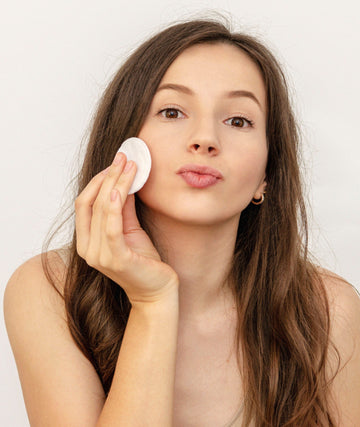

Damaged Skin Barrier vs Dehydrated Skin: How to Tell the Difference
If your skin suddenly feels dry, tight, sensitive or reactive, it's easy to assume dehydration is to blame. But many people are actually dealing with a compromised skin barrier, and treating the two conditions the same way can keep skin stuck in a cycle of irritation.
Although dehydrated skin and barrier damage often share similar symptoms, they are not the same condition. One lacks water. The other lacks resilience. Understanding the difference is the first step towards restoring healthy, comfortable skin.
Quick Answer
Dehydrated skin lacks water and typically appears dull, tight and thirsty.
A damaged skin barrier is a compromised protective layer that allows moisture to escape and irritants to enter, leading to redness, inflammation and increased sensitivity.
In many cases, you may be experiencing both conditions simultaneously.
- Dehydrated skin needs hydration.
- A damaged skin barrier needs repair and protection.
- Treating the wrong problem can worsen symptoms.
Why People Often Confuse the Two
Both dehydrated skin and barrier damage can leave your complexion feeling dry, uncomfortable and rough. However, the underlying cause is very different.
Dehydration refers to a lack of water within the skin. Barrier damage, on the other hand, affects the structure of the skin itself. When the skin barrier is compromised, water escapes more easily through a process known as transepidermal water loss (TEWL), which often leads to dehydration as a secondary issue.
This is why many people experience symptoms of both conditions at the same time.
If you've been trying stronger exfoliants or adding more active ingredients without improvement, your skin may actually be asking for repair rather than correction.
What Is a Damaged Skin Barrier?
Your skin barrier, also known as the stratum corneum, is the outermost layer of the skin. It acts as your body's first line of defence, helping to retain moisture while protecting against bacteria, pollution, irritants and environmental stress.
When this protective layer becomes compromised, skin can no longer function optimally. Moisture escapes more easily, inflammation increases and products that once felt comfortable may suddenly sting or burn.
At Founder's Formula, barrier health is considered the foundation of healthy skin because resilient skin responds better to every other treatment and ingredient.
Common Causes of Barrier Damage
- Over-exfoliation.
- Using too many active ingredients at once.
- Harsh cleansers or over-cleansing.
- Environmental stress and UV exposure.
- Retinoids, acids or aggressive treatments.
- Chronic inflammation and skin sensitivity.
Signs Your Skin Barrier May Be Damaged
- Persistent redness or inflammation.
- Burning or stinging after applying skincare.
- Skin becoming reactive to products you previously tolerated.
- Flaky, irritated patches.
- Breakouts that struggle to heal.
- Skin feeling thin, fragile or raw.
- Increased sensitivity to weather or temperature changes.
What This Means for Your Skin
A compromised skin barrier is not simply a moisture issue. It is a structural issue. Before focusing on correction, pigmentation or pro-ageing concerns, the skin first needs support, nourishment and repair.
Related reading:
- How to Repair a Damaged Skin Barrier
- Top Ingredients for Skin Barrier Repair
- How Australian Botanicals Support Skin Barrier Health
Products That Support Barrier Repair
When skin feels irritated, reactive or sensitised, focus on calming and rebuilding rather than exfoliating.
- Centipeda Snow Mask to soothe visible redness and irritation.
- Botanical Barrier Balm to strengthen and protect compromised skin.
- Australian Botanicals Nourishing Facial Oil to replenish essential lipids.
- Snake Vine Super Anti-Oxidant Pro-Ageing Moisturiser to support long-term resilience.
What Is Dehydrated Skin?
Unlike dry skin, which is a skin type, dehydrated skin is a temporary condition caused by a lack of water.
Even oily or acne-prone skin can become dehydrated. Factors such as air conditioning, stress, travel, seasonal changes and harsh skincare products can all contribute to dehydration.
Without adequate water content, skin often appears dull, tired and less radiant. Fine lines may appear more noticeable, and makeup can sit unevenly.
Common Signs of Dehydrated Skin
- Tightness after cleansing.
- Dull or lacklustre skin.
- Fine lines appearing more prominent.
- Makeup not sitting smoothly.
- Skin that feels dry but still becomes oily.
- Loss of radiance and plumpness.
Common Causes of Dehydration
- Weather and environmental changes.
- Air conditioning and heating.
- Stress and lack of sleep.
- Over-cleansing or harsh skincare products.
- Travel and dehydration from flying.
- Not using enough humectants in your routine.
What This Means for Your Skin
Dehydrated skin is thirsty skin. Unlike barrier damage, it usually responds quickly to the right ingredients and a supportive skincare routine.
Hydration-focused ingredients such as hyaluronic acid, glycerin and panthenol help attract and retain water, leaving skin looking smoother, plumper and more radiant.
Damaged Skin Barrier vs Dehydrated Skin: The Key Differences
Because many symptoms overlap, it can be difficult to know which condition you're dealing with. The easiest way to distinguish between the two is to pay attention to how your skin behaves and how it responds to products.
| Damaged Skin Barrier | Dehydrated Skin |
|---|---|
| Structural damage to the skin barrier | Lack of water within the skin |
| Red, inflamed or reactive skin | Tight, dull or lacklustre skin |
| Products sting or burn | Skin feels uncomfortable but not painful |
| Breakouts and irritation | Fine lines appear more visible |
| Needs repair and protection | Needs hydration and water retention |
If your moisturiser suddenly burns when you apply it, your skin barrier is likely compromised. If your skin simply feels tight, dull and thirsty, dehydration is more likely the cause.
Can You Have Both a Damaged Skin Barrier and Dehydrated Skin?
Yes, and this is where many people become confused.
When the skin barrier is damaged, moisture escapes more easily through a process known as transepidermal water loss (TEWL). This means barrier damage often leads to dehydration as a secondary issue.
If your skin feels:
- Tight and irritated.
- Dry and reactive.
- Flaky and inflamed.
- Sensitive to products you previously tolerated.
- Dull but also prone to redness.
There is a good chance you need both hydration and barrier repair.
Key Takeaway
Barrier damage and dehydration often occur together. That's why focusing only on hydration or only on active ingredients can leave skin stuck in a cycle of sensitivity.
How to Treat Dehydrated Skin
The goal with dehydrated skin is to replenish water levels and help the skin retain moisture.
Hydrating ingredients known as humectants attract water to the skin, helping restore comfort, radiance and plumpness.
Ingredients That Support Hydration
- Hyaluronic Acid.
- Niacinamide (Vitamin B3).
- Panthenol (Vitamin B5).
- Glycerin.
- Betaine.
Focus on Layering Hydration
Hydration works best when layered. A hydrating toner followed by a serum and moisturiser helps support water retention throughout the day.
At Founder's Formula, we recommend building hydration in layers rather than relying on a single product.
Recommended Products for Dehydrated Skin
-
Purslane & Commelina Gentle Balancing Toner
Helps replenish hydration while soothing stressed skin. -
Pro-Aging B3, B6 & Hyaluronic Acid Serum
Formulated with hyaluronic acid and niacinamide to support hydration and skin resilience. -
Wild Rosella Hydrating Moisturiser
Delivers lasting hydration while supporting a healthy skin barrier.
Where Most People Go Wrong
One of the most common mistakes people make is trying to force results with stronger products.
When skin becomes flaky, textured or irritated, many instinctively reach for:
- Exfoliating acids.
- Retinol.
- Foaming cleansers.
- More active ingredients.
- Scrubs and over-cleansing.
But if the skin barrier is already compromised, these approaches often worsen inflammation and prolong the problem.
Healthy skin isn't created by pushing harder.
Healthy skin is resilient skin.
And resilience starts with restoring hydration and supporting the skin barrier.
Founder Insight
"One of the biggest misconceptions I see is people trying to treat irritated skin with stronger products. Often the opposite is true. Skin transformation begins when you stop fighting your skin and start supporting it."
— Ann Donnarumma, Founder & Formulator
How to Repair a Damaged Skin Barrier
Repairing a damaged skin barrier is less about correcting the skin and more about rebuilding it.
When your skin is inflamed, reactive or sensitised, adding more active ingredients rarely solves the problem. Instead, the focus should shift towards calming inflammation, restoring essential lipids and strengthening the skin's natural defence system.
At Founder's Formula, we believe skin health starts with barrier health. Once the skin is resilient, it is better able to tolerate active ingredients and achieve long-term results.
Ingredients That Support Barrier Repair
- Ceramides – skin-identical lipids that help strengthen the skin barrier and reduce moisture loss.
- Ectoin – an extremolyte that protects against environmental stress and supports skin resilience.
- Centipeda Cunninghamii – an Australian botanical known for its soothing and anti-inflammatory properties.
- Tasmanian Pepper Berry – helps calm visible redness and support sensitive skin.
- Omega-rich botanical oils – help replenish essential lipids and improve skin comfort.
Focus on Simplifying Your Routine
- Use a gentle, non-stripping cleanser.
- Temporarily reduce exfoliating acids and strong actives.
- Focus on hydration and lipid replenishment.
- Support inflammation with calming ingredients.
- Protect the skin barrier daily.
The Founder's Formula Philosophy
Rather than overwhelming the skin with harsh correction, Founder's Formula focuses on supporting skin health through hydration, barrier repair and inflammation management.
Our formulations combine evidence-based actives with Australian botanicals that have adapted to some of the world's harshest environments.
This approach allows skin to become stronger, calmer and more resilient over time.
We believe healthy skin should not be constantly challenged. It should be supported.
Founder Insight
"So many people are unknowingly treating dehydrated skin as though it's damaged, or treating a damaged skin barrier as though it simply needs more hydration. Understanding the difference is where real skin transformation begins."
— Ann Donnarumma, Founder & Formulator
Frequently Asked Questions
Can you have both dehydrated skin and a damaged skin barrier?
Yes. Barrier damage increases transepidermal water loss (TEWL), which often leads to dehydration. Many people require both hydration and barrier repair support.
Why does my moisturiser suddenly sting?
Burning or stinging when applying skincare products is often a sign that the skin barrier has become compromised.
Is dehydrated skin the same as dry skin?
No. Dry skin is a skin type that lacks oil, whereas dehydrated skin is a temporary condition caused by a lack of water.
Can over-exfoliation damage the skin barrier?
Yes. Excessive use of acids, scrubs and active ingredients can weaken the skin barrier and lead to redness, sensitivity and irritation.
What ingredients help repair the skin barrier?
Ceramides, Ectoin, Centipeda Cunninghamii, Tasmanian Pepper Berry and omega-rich botanical oils all help support skin barrier health and resilience.
Reviewed by Founder and Formulator Ann Donnarumma
Ann Donnarumma is the founder of Founder's Formula and has spent decades studying Australian botanicals and evidence-based ingredients to support skin health and resilience.
Her formulations combine clinical actives with native Australian botanicals to help address inflammation, support barrier function and promote healthy ageing.
Your Next Step
If you're unsure whether your skin needs hydration, barrier repair or both, don't guess.
Take our Skin Quiz to discover the best ingredients and routine for your skin concerns, or explore the Skin Ritual Hub for expert guidance designed to support healthy, resilient skin.